
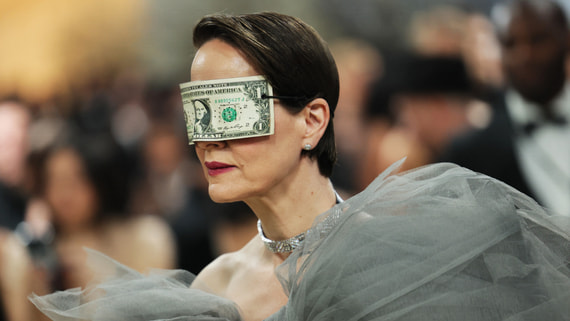
The Metropolitan Museum of Art’s annual Costume Institute Benefit, known globally as the Met Gala, once again transformed into fashion’s most spectacular runway as celebrities descended upon New York City’s Upper East Side. This year’s event saw appearances from global icons including Beyoncé, Madonna, Irina Shayk, and dozens of other A-list stars, each bringing their interpretation of the evening’s theme through increasingly avant-garde and boundary-pushing ensembles. The red carpet became a canvas for some of the most memorable and unconventional fashion statements in recent Met Gala history, with attendees pushing creative boundaries to new extremes.
Fashion’s Biggest Night: Theme and Significance
The Met Gala, often referred to as “fashion’s Super Bowl,” serves as the opening celebration for the Costume Institute’s annual exhibition at the Metropolitan Museum of Art. Founded in 1948, the event has evolved from a modest midnight supper into the most exclusive and watched fashion event in the world. Each year, the gala announces a specific theme that guests are expected to interpret through their attire, resulting in some of the most creative and sometimes controversial fashion moments in history. The event raises millions of dollars for the Costume Institute, with individual tickets reportedly costing upwards of $75,000 and tables reaching $350,000, making it not only a fashion spectacle but also a significant charitable endeavor.
This year’s theme continued the tradition of challenging designers and celebrities to think beyond conventional fashion boundaries. The interpretations ranged from literal translations to abstract artistic expressions, with some guests arriving in elaborate constructions that blurred the line between clothing and wearable art. The commitment to theme interpretation has become increasingly important in recent years, with fashion critics and social media audiences alike scrutinizing each look for its creativity and adherence to the evening’s concept.
Standout Moments and Showstopping Ensembles
Among the evening’s most talked-about appearances, several celebrities made headlines with their daring fashion choices. The sail-like veils that graced the red carpet demonstrated the architectural possibilities of fashion, with flowing fabrics engineered to catch light and movement in dramatic ways. These pieces required months of planning and construction, with design teams working to balance visual impact with the practical demands of navigating the famous museum steps. The skeleton dress mentioned in early coverage represented a striking fusion of fashion and anatomical art, using intricate beading, embroidery, or structural elements to create an illusion of the human form beneath the fabric.
Perhaps one of the most politically charged accessories of the evening was a mask constructed from dollar bills, a statement piece that sparked immediate conversation about wealth, capitalism, and the very nature of the exclusive event itself. Such provocative choices have become increasingly common at the Met Gala, where attendees use the global platform to make statements beyond pure aesthetics. This tradition of fashion-as-commentary dates back decades, with memorable moments including protest pins, symbolic color choices, and garments that directly address social and political issues.
Behind the Glamour: Preparation and Industry Impact
The Met Gala represents the culmination of months of preparation for both designers and celebrities. Custom looks can take anywhere from 500 to 10,000 hours to create, involving teams of seamstresses, embroiderers, and craftspeople working around the clock. For many fashion houses, a successful Met Gala appearance can generate millions of dollars in publicity value and establish lasting associations between their brand and cultural relevance. The event also serves as a launching pad for emerging designers, whose work can gain international recognition overnight through a single memorable red carpet moment.
The influence of the Met Gala extends far beyond the single evening, shaping fashion trends for seasons to come. Looks from previous galas have inspired everything from fast fashion interpretations to haute couture collections, demonstrating the event’s role as a cultural barometer. As social media has amplified the reach of the gala, with images instantly circulating to billions of viewers worldwide, the pressure to create unforgettable moments has intensified, pushing the boundaries of what fashion can achieve as both art and spectacle.
Expert Opinion: The 2025 Met Gala demonstrates fashion’s continued evolution toward performance art, with garments increasingly serving as vehicles for social commentary rather than mere aesthetic display. This shift suggests that future galas will see even more politically charged and conceptually complex interpretations, as celebrities and designers recognize the unparalleled platform the event provides for cultural discourse. The integration of provocative elements like the dollar mask signals a growing tension between the event’s exclusive nature and broader societal conversations about wealth inequality.