
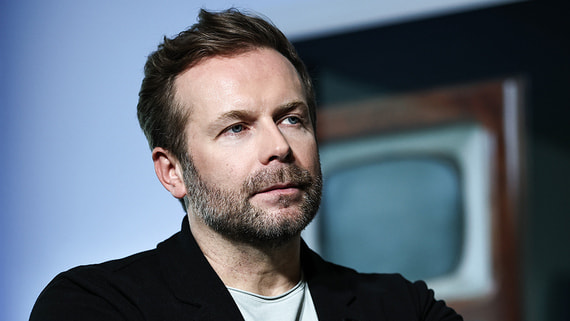
In the competitive landscape of modern Russian cinema, few success stories rival the remarkable journey of the “Kholop” (The Serf) franchise. What began as a modest comedy concept has evolved into one of the most commercially successful film series in Russian box office history, demonstrating that homegrown productions can compete with Hollywood blockbusters when creativity meets strategic vision. The director behind this transformation has shared insights into the philosophy that guided this extraordinary cinematic achievement, revealing that the key to sustainable franchise success lies in continuously “raising the stakes” with each installment.
The original “Kholop” film, released in 2019, captured audiences with its clever premise: a spoiled wealthy heir is transported back in time to experience life as a serf in 19th-century Russia, learning humility and the value of hard work. The film resonated deeply with Russian audiences, tapping into contemporary discussions about wealth inequality and social responsibility while delivering consistent laughs. Its success was far from guaranteed in a market where domestic comedies often struggle to find their footing against international competition, yet it became a cultural touchstone that spawned merchandise, memes, and endless social media discussions.
From Modest Comedy to Box Office Dominance
The transition from a standalone comedy to a full-fledged franchise required careful strategic planning and a willingness to evolve. According to the creative team behind the project, the decision to expand the universe was not made lightly. Each subsequent film needed to justify its existence by offering audiences something genuinely new while maintaining the comedic DNA that made the original successful. This philosophy of constant escalation—raising the stakes both narratively and technically—became the guiding principle for the franchise’s development. The production team studied successful franchises worldwide, analyzing how series like “Fast and Furious” and “Mission: Impossible” managed to keep audiences engaged across multiple installments by continuously expanding their scope and ambition.
The director’s portfolio extends beyond comedy, notably including “Vyzov” (The Challenge), a groundbreaking 2023 film that made history by being partially shot aboard the International Space Station. This diverse experience in both intimate character-driven stories and technically ambitious productions provided unique insights into what makes films resonate with modern audiences. The Challenge demonstrated that Russian cinema could achieve technical feats previously thought impossible, sending actress Yulia Peresild and director Klim Shipenko into actual orbit to capture authentic footage. This willingness to push boundaries and attempt the seemingly impossible has become a hallmark of contemporary Russian filmmaking ambition.
The Art of Franchise Building in Modern Cinema
Building a successful franchise in today’s entertainment landscape requires understanding that audiences have more options than ever before. Streaming platforms, social media content, and international releases all compete for viewer attention, making theatrical releases increasingly challenging propositions. The “Kholop” franchise has navigated these waters by treating each film as an event rather than merely another installment. This involves not just increasing production values but deepening character development, expanding the narrative universe, and creating moments designed to generate word-of-mouth excitement. The marketing campaigns have been equally innovative, utilizing viral marketing techniques and leveraging the films’ comedic elements for social media engagement.
The Russian film industry has undergone significant transformation over the past decade, with domestic productions increasingly capturing larger shares of the local box office. Government support through organizations like the Cinema Fund has provided crucial backing for ambitious projects, while a new generation of filmmakers has embraced both commercial sensibilities and artistic integrity. The success of franchises like “Kholop” demonstrates that understanding local audiences—their humor, cultural references, and social concerns—can create connections that transcend what imported productions offer. Industry analysts note that the most successful Russian films of recent years have combined universal storytelling techniques with distinctly Russian perspectives and sensibilities.
Future Horizons and Industry Impact
The influence of successful franchise filmmaking extends beyond individual box office receipts, reshaping how studios approach project development and long-term planning. The “Kholop” model has inspired other Russian productions to think in terms of expandable universes and recurring characters, fundamentally changing the domestic film development landscape. For aspiring filmmakers, the message is clear: small concepts can become major cultural phenomena when executed with vision, consistency, and a commitment to continuous improvement. The philosophy of “raising the stakes” applies not just to narrative tension but to every aspect of production—from cinematography and special effects to marketing and audience engagement. As Russian cinema continues to mature and compete on the global stage, the lessons learned from transforming a modest comedy into a blockbuster franchise will undoubtedly influence generations of filmmakers to come.
Expert Opinion: The success of the Kholop franchise represents a significant maturation of the Russian film industry’s approach to commercial filmmaking. By combining Hollywood-style franchise thinking with distinctly local storytelling sensibilities, Russian producers have discovered a sustainable model for domestic blockbuster success. This trend suggests we will see more ambitious multi-film projects from Russian studios in the coming years, potentially expanding into international markets as production quality continues to rise.